When Schedules Tighten: Exploring Congestion Effects on Betting Lines for Packed Football Calendars and Equine Endurance Races
Written by Cameron Perry · Jun 19, 2026
When Schedules Tighten: Exploring Congestion Effects on Betting Lines for Packed Football Calendars and Equine Endurance Races
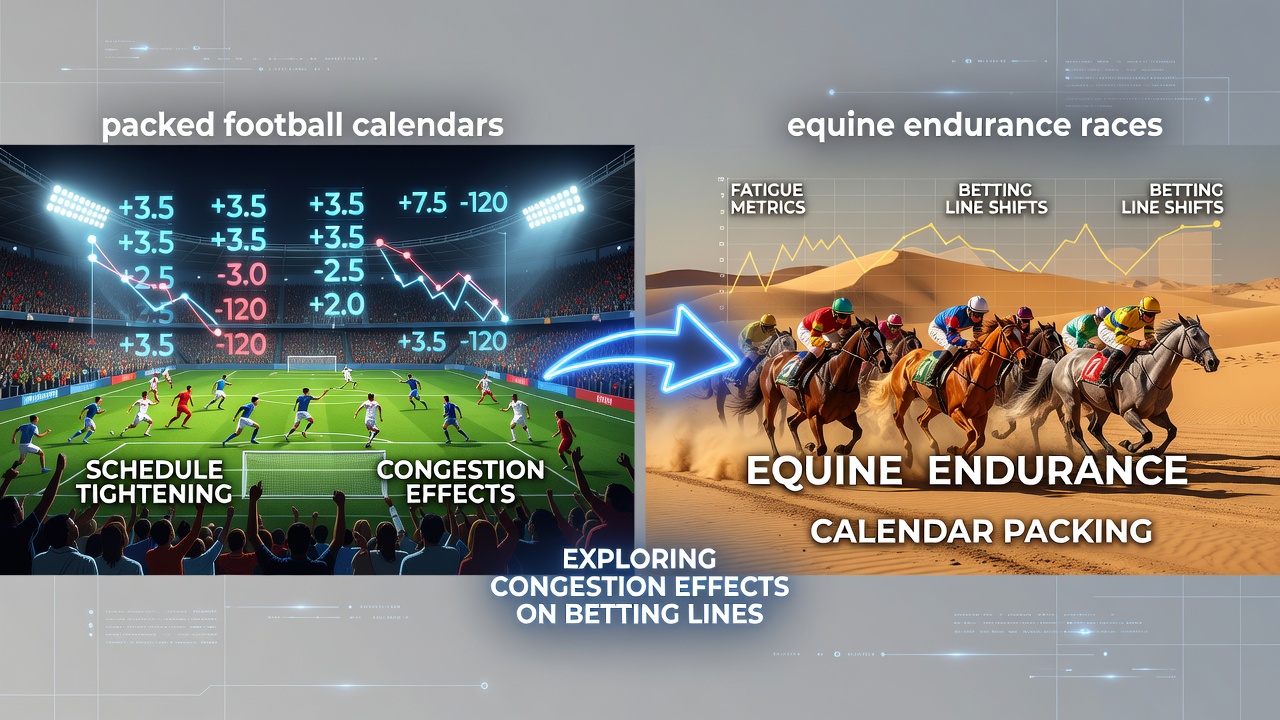
Football calendars pack multiple competitions into narrow windows each season, and equine endurance events follow similar patterns when organizers slot long-distance races close together; both scenarios produce measurable shifts in betting lines because fatigue alters performance metrics that markets incorporate into odds.
During June 2026 the FIFA World Cup expands across North America with group stage fixtures stacked over consecutive days for teams advancing from qualifiers, and this compression mirrors patterns already observed in domestic leagues where clubs juggle domestic cups, continental tournaments, and international breaks.
Football Schedule Compression and Line Movement
Clubs in top European leagues often contest fifty-plus matches across all fronts, and data from the Union of European Football Associations shows average recovery time between games dropping below seventy-two hours during peak periods; such intervals correlate with elevated injury rates and reduced high-intensity running distances tracked by GPS systems. Betting exchanges adjust totals markets downward when these figures surface in pre-match reports, while match-winner odds widen for sides with fewer rest days because historical results indicate lower conversion rates on shots after short turnarounds.
Observers tracking the 2024-25 Premier League noted that sides playing midweek European ties posted a points-per-game decline of roughly 0.4 compared with their weekend-only fixtures, and bookmakers responded by shading over/under lines in the subsequent domestic match. The same pattern repeats across South American leagues where Copa Libertadores and national championships overlap, prompting local operators to widen spreads on goal totals when travel distances compound fatigue.
Equine Endurance Calendars and Performance Indicators
Endurance racing circuits for horses stretch across continents, with events such as the 160-kilometre FEI World Equestrian Games qualifiers often scheduled within four to six weeks of one another; veterinary records indicate that muscle enzyme levels remain elevated for up to three weeks post-race, and this recovery window influences starting prices when multiple entries share the same stable. Markets price favorites lower when form guides reveal recent starts within that window, while longer-priced runners with extended rest periods attract support because past results show higher completion rates above 100 kilometres.
Australian racing authorities publish annual welfare reports that track elimination rates at endurance events, and these figures rise when horses compete in consecutive state championships without adequate intervals; layers incorporate the percentages into place markets, pushing each-way odds outward for animals on tight schedules. European circuits mirror the effect during summer festival periods when riders target multiple CEI 3-star races in a single month.
Shared Market Mechanisms Across Both Sports
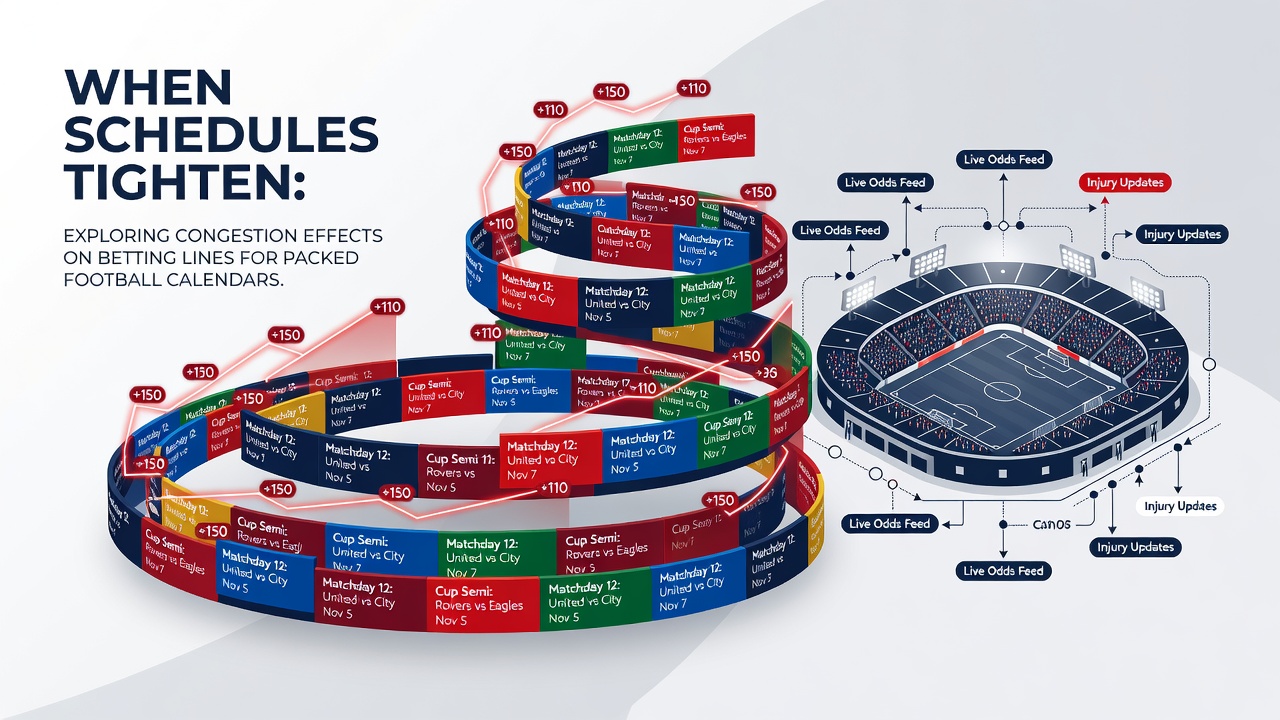
Operators monitoring both football and equine calendars employ similar algorithms that weight recent workload against historical benchmarks; when fixture lists tighten, liquidity on accumulator products drops because bettors hesitate to combine selections from fatigued squads or stables. Live markets react fastest because in-game statistics capture pace drops within the first thirty minutes of football matches or the opening loops of endurance courses, allowing odds to drift in real time.
Research published by the University of Queensland Centre for Animal Welfare and Ethics links cumulative distance covered in prior equine events to finishing-position variance, and parallel studies from the German Football League quantify similar declines in sprint metrics after congested blocks. These datasets feed into pricing models that move lines earlier than public form alone would suggest, creating windows where sharp bettors target mispriced selections before recreational markets adjust.
Regional Calendar Examples and Data Patterns
In June 2026 several CONMEBOL nations face overlapping Copa América and World Cup qualifying obligations, forcing rotation decisions that alter expected goal outputs; South American betting platforms list adjusted totals markets within hours of lineup announcements. Meanwhile endurance events in the Middle East cluster around cooler evening slots yet still schedule back-to-back weekends for regional titles, and local operators widen win margins for horses with documented rest advantages. North American racetracks report parallel trends when Triple Crown trails and international invitationals overlap for imported runners.
Industry reports from the Asian Racing Federation indicate that elimination rates at 120-kilometre events climb by approximately 12 percent when horses start within twenty-one days of a prior completion, prompting odds compilers to shade place payouts accordingly. Football data from the same region shows comparable drops in clean-sheet probability after three matches in eight days, and these figures translate directly into underdog pricing.
Conclusion
Congested calendars in football and equine endurance produce consistent, quantifiable effects on betting lines because workload metrics alter expected performance distributions; operators integrate these signals into both pre-match and live markets, while bettors who monitor recovery data gain access to edges that appear once fixture lists are published. The June 2026 World Cup window will supply fresh examples of these dynamics across multiple continents.