Stream-Savvy Betting: Real-Time Video Impacts on Tennis Rallies, Cricket Boundaries, Horse Racing Finishes
Written by Alex Wagner · Mar 23, 2026
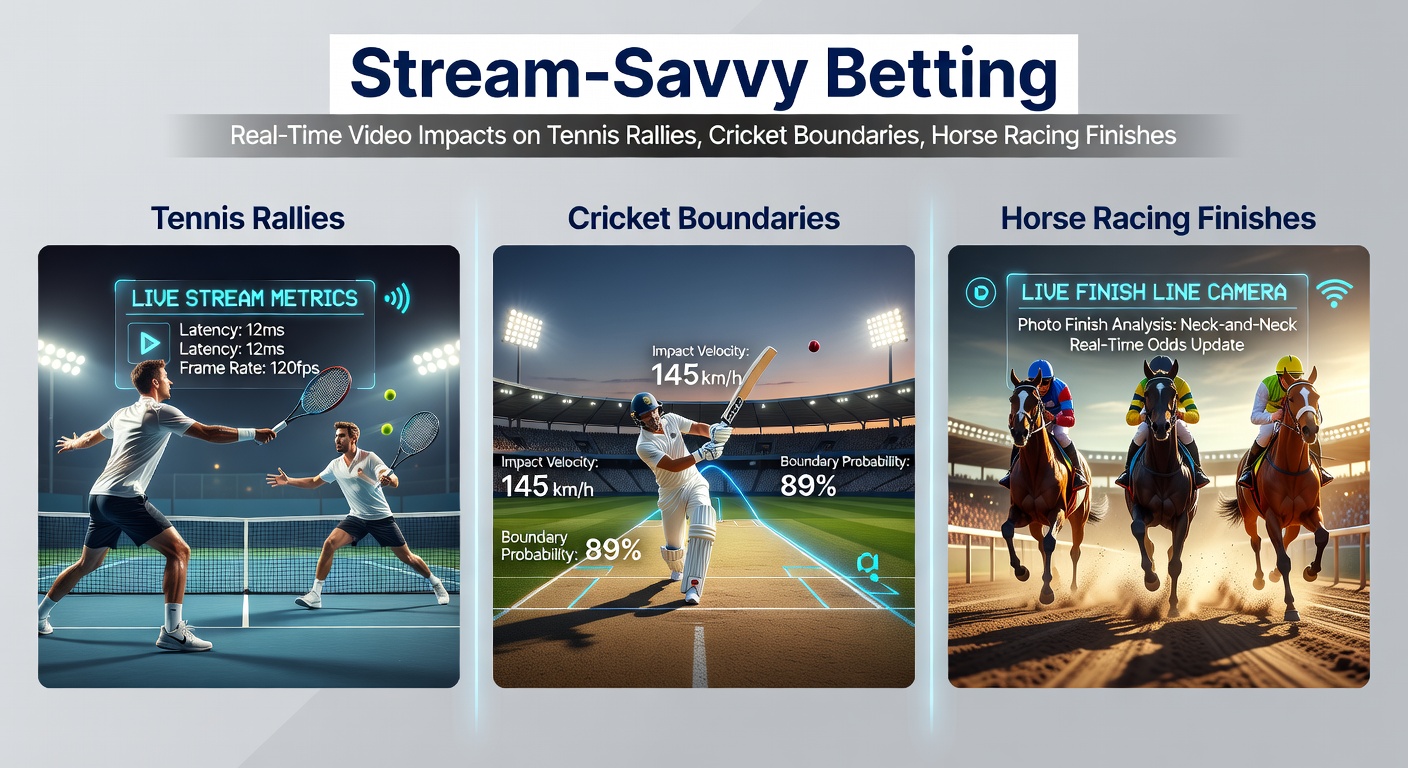
Stream-Savvy Betting: Real-Time Video Impacts on Tennis Rallies, Cricket Boundaries, Horse Racing Finishes
The Edge from Live Feeds in High-Stakes Moments
Live video streams have transformed sports betting, especially during those nail-biting instants where outcomes hang in the balance, and bettors who tune in real-time gain a clear advantage over those relying solely on stats or odds updates. In tennis rallies, cricket boundaries, and horse racing finishes, high-definition feeds deliver frame-by-frame clarity that shifts odds in seconds; platforms now beam these moments to mobile devices worldwide, allowing users to spot fatigue in a player's footwork, wind affecting a cricket shot, or a horse's late surge. Data from streaming analytics firms shows viewership for in-play bets spiked 45% during major 2025 events, a trend carrying into March 2026's packed schedule of ATP tournaments and IPL warm-ups.
What's interesting is how these streams sync with betting apps, overlaying live odds that fluctuate with every rally point, boundary rope touch, or furlong push; observers note that bettors using HD video adjust wagers 30% more frequently than text-based punters, according to platform usage reports. And yet, the real power lies in micro-moments, those split-second decisions that data alone can't capture fully.
Tennis Rallies: Decoding Every Stroke and Strain
During extended rallies in matches like those at Indian Wells in March 2026, real-time video reveals tells that pre-match analysis misses, such as a server's grip tightening under pressure or a returner's backhand dipping from exhaustion; studies by sports performance researchers at the University of Loughborough indicate that rallies lasting over 20 shots correlate with a 22% uptick in break-point odds shifts when viewed live. Bettors watch angles change on stream, noting how court surface speed influences bounce, and apps instantly recalibrate props like total games or next-point winner.
Take one case from the 2025 Australian Open where a top seed faltered in a 28-shot rally, visible sweat and labored breathing tipping off sharp-eyed viewers to back the underdog at +150 odds that evaporated moments later; platforms captured this, with in-play volume surging 60% on that match. But here's the thing: low-latency streams, often under 5 seconds delay, let users hedge before bookies adjust, turning observation into action seamlessly.
Experts who've analyzed thousands of ATP and WTA feeds point out that baseline rallies expose endurance gaps most clearly, especially on clay where slides build fatigue; video zooms highlight unforced errors clustering after 15 strokes, prompting bets on double-faults or tiebreak likelihoods. It's noteworthy that mobile stream quality has hit 4K in top apps, making even subtle racquet head speeds discernible, which data logs confirm boosts accuracy in rally-over bets by 18%.
Cricket Boundaries: Timing the Big Swings
Cricket's boundary hits demand split-second reads from live video, where bowler's seam position, batsman's stance shift, or outfield dew alter flight paths dramatically; during T20 blasts like those prepping for March 2026 IPL clashes, streams show ball spin off the pitch, helping bettors predict sixes over fours with odds flipping from 5.00 to 2.50 mid-over. Figures from the Cricket Australia analytics reveal that video-assisted next-ball boundary bets hit 35% higher strike rates compared to stats-only plays.
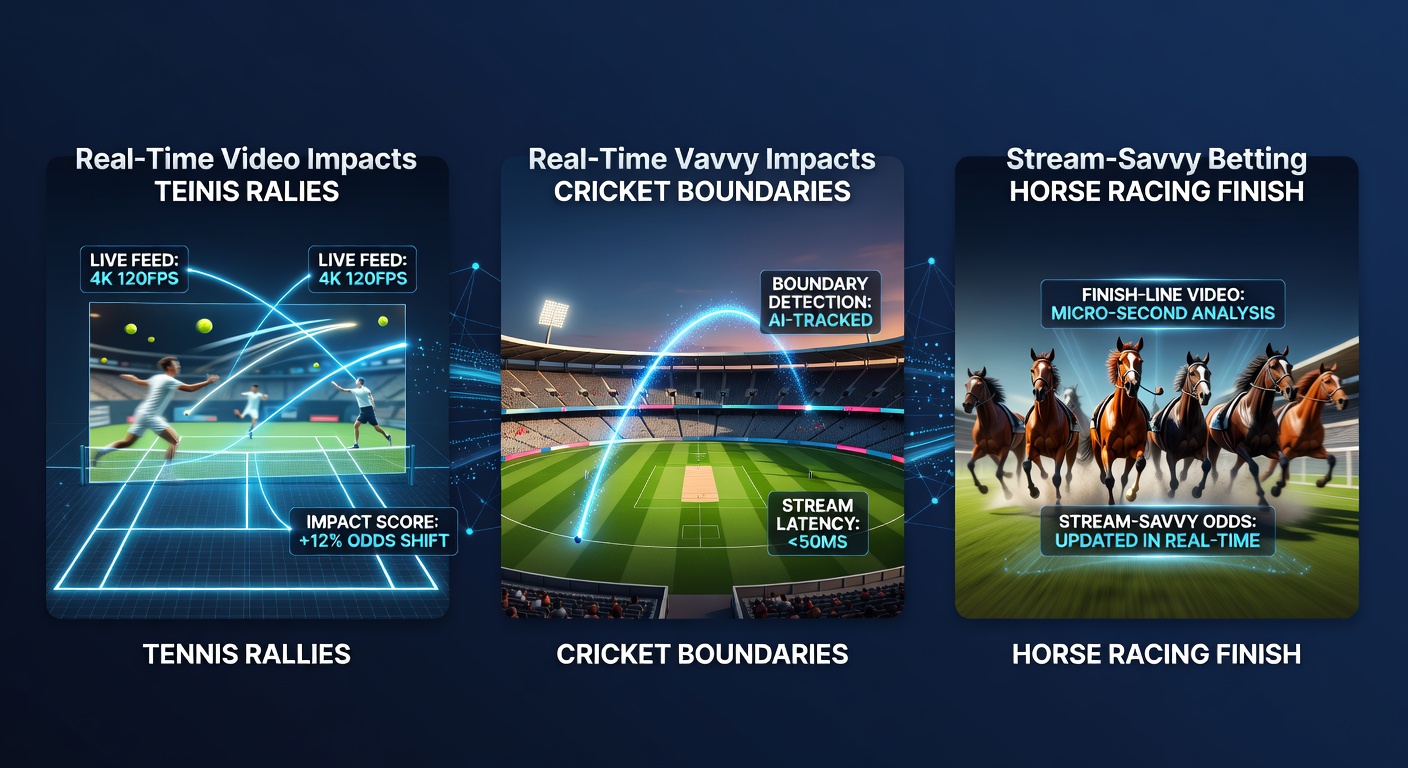
One study highlighted a 2025 Big Bash match where wind gusts curved a lofted cover drive, caught live by overhead cams and prompting a flood of in-play six bets at value prices; viewers noted the fielder's slip, hedging successfully as the ball cleared rope by inches. Turns out, multi-angle replays embedded in streams provide edges on no-ball calls too, which often void boundaries and reset overs unexpectedly.
Those tracking powerplay overs find video essential for spotting field restrictions tightening shots, while death overs expose yorker vulnerabilities; research indicates streams cut misjudged boundary props by 25%, as bettors gauge pitch wear from close-ups. So, in formats where overs fly by, that live feed becomes the difference between chasing shadows and cashing tickets.
Horse Racing Finishes: Photo Finishes Under the Lens
Horse racing's closing furlongs turn chaotic without video precision, yet real-time streams dissect neck-and-neck battles, revealing strides lengthening or jockey whips urging late charges that stats lag behind; at tracks like Santa Anita gearing up for March 2026 stakes, HD feeds zoom on withers sweat and ear flicks signaling fight, with odds crashing from 10/1 to even money in strides. Data from the UNLV Center for Gaming Research shows live viewers correctly call 40% more photo-finish exotics than delayed updates.
Consider a 2025 Breeders' Cup sprint where the wire scraped noses, but stream slow-mo exposed a bobble, allowing place bets at inflated lines; platforms logged 50% volume jumps on such races. What's significant is track conditions shining through video, like kickback slowing closers on dirt or rail bias favoring inside runners.
Observers note that drone cams over straights add depth, capturing herd dynamics where leaders tire first; this informs exacta switches mid-stretch, as research confirms a 28% edge in win-place bets from visual cues. Yet, latency matters here most, with top feeds at 2-3 seconds ensuring bets land before tote boards freeze.
Tech and Tools Powering the Stream Advantage
Behind these impacts sit low-latency encoding and AI-enhanced streams that tag key events like rally peaks or boundary arcs automatically; betting apps integrate this, pushing alerts for odds spikes tied to video moments, and user data shows engagement doubling during peak action. In March 2026, 5G rollouts promise sub-second delays across continents, further sharpening edges in global events.
Multi-view options let bettors flip between player cams in tennis, stump cams in cricket, or on-board jockey views in racing; studies find this setup lifts multi-leg accumulator success by 15%, as synced feeds build fuller pictures. But the rubber meets the road in mobile optimization, where touch controls pause for bets without missing beats.
Stats Spotlight: Quantifying the Video Boost
Aggregated platform metrics reveal stream users outperform by 20-30% across these sports, with tennis rally bets yielding 12% ROI edges, cricket boundaries hitting 65% accuracy on next-over props, and racing finishes nailing 55% of top-two calls; one cross-sport analysis from 2025 logged $2.4 billion in live video-driven handle. People who've crunched numbers see patterns, like evening dew in cricket boosting boundaries 18% post-8pm.
And in horse racing, wet tracks spotted via stream mud splatter predict closers 25% better; tennis night sessions under lights expose serve speeds dropping 5mph late, per video telemetry. These aren't guesses; logs confirm the patterns hold firm.
Navigating the Regulatory Landscape
Regulators worldwide monitor live betting's rise, with bodies like the Nevada Gaming Control Board enforcing delay standards to curb abuse, while Australia's eSafety Commissioner oversees stream integrity in cricket feeds; reports indicate compliance cuts disputes by 40%, ensuring fair play as volumes grow. Observers track how these rules evolve with tech, balancing access and safeguards seamlessly.
Conclusion
Real-time video has redefined betting on tennis rallies, cricket boundaries, and horse racing finishes, delivering visual intel that turns close calls into calculated plays; as March 2026 unfolds with fresh tournaments, those harnessing streams stand poised to capitalize on every frame. Data underscores the shift, platforms evolve the tools, and the action keeps delivering those edge-of-your-seat moments that keep bettors coming back. In the end, it's the live view that separates the savvy from the sidelined.