Elevation Impacts on Performance and Dynamic Odds Adjustments in High-Altitude Team Sports
Written by Alex Wagner · Jun 14, 2026
Elevation Impacts on Performance and Dynamic Odds Adjustments in High-Altitude Team Sports
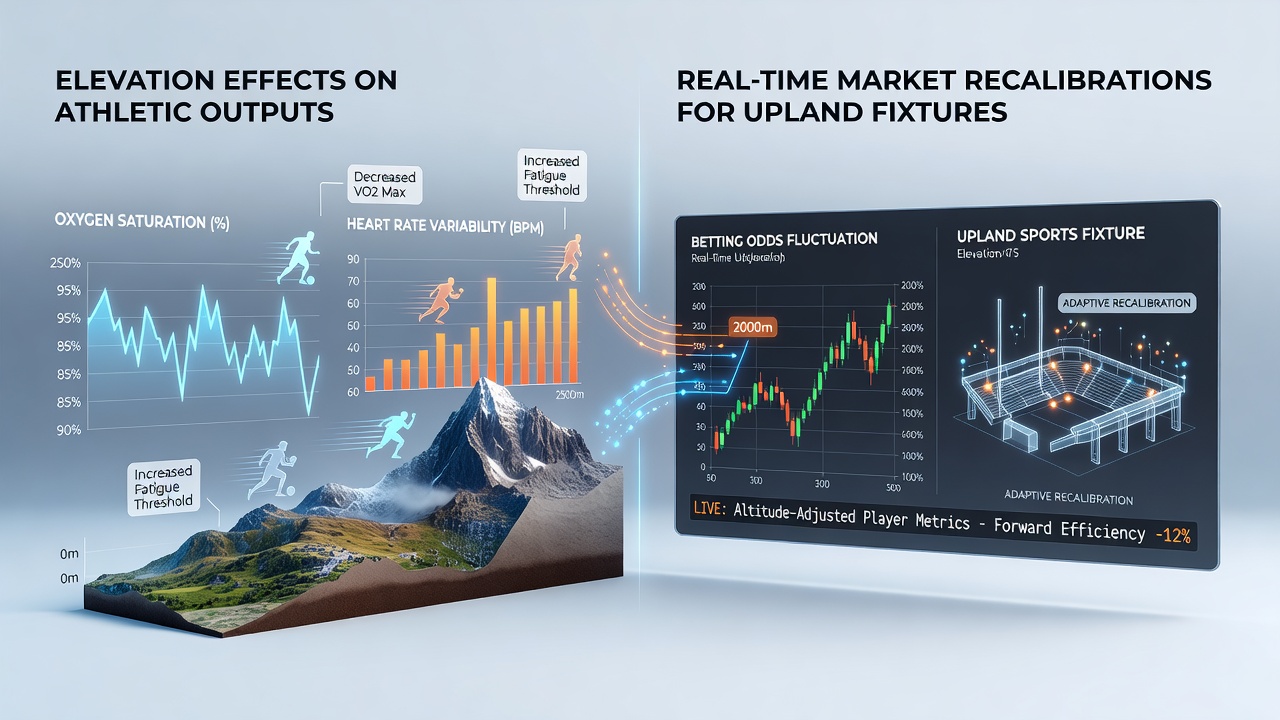
High-altitude venues create measurable changes in athletic output because lower oxygen partial pressure reduces aerobic capacity while increasing anaerobic stress on players during sustained efforts. Researchers have documented these shifts through controlled studies that track heart rate, lactate thresholds, and sprint recovery times across elevation gradients from sea level to 3000 meters and beyond. Teams scheduled for upland fixtures often arrive days early to trigger physiological adaptations yet the initial sessions still show reduced total distance covered and fewer high-intensity runs compared to lowland baselines.
Physiological Responses Across Team Sports
Football players in matches above 2500 meters register average heart rates 8 to 12 percent higher than sea-level equivalents while maintaining lower blood oxygen saturation which forces earlier substitution patterns and tactical adjustments by coaches. Basketball athletes experience similar constraints during repeated sprint sequences although the shorter bursts allow slightly better tolerance; data collected from Denver-based NBA games indicate a consistent drop in fourth-quarter field goal percentage when visiting teams lack prior acclimatization periods. Rugby and field hockey squads report parallel reductions in ball-in-play time because recovery intervals lengthen under hypoxic conditions and referees have noted increased stoppages for cramp and fatigue-related issues.
Studies conducted at institutions such as the University of Calgary have quantified these effects through wearable sensors that capture positional data and physiological markers during actual competitions. The findings reveal that home squads at altitude maintain possession longer and complete more passes in the final third because visiting players slow their off-ball movement to conserve energy. These patterns appear consistently across multiple seasons rather than as isolated anomalies.
Real-Time Market Recalibrations
Betting platforms monitor live performance feeds and adjust odds within seconds when statistical models detect deviations from expected output at altitude. Early goals become more frequent in the first 15 minutes because visiting defenders struggle with positioning while home attackers exploit the oxygen deficit, prompting rapid downward shifts in over/under totals for the opening period. Accumulator builders see correlated movements across related markets as each successful high ball or turnover updates the probability matrix used by pricing engines.

Operators incorporate elevation-specific variables into their algorithms including historical home advantage percentages at each venue and current weather data that can amplify or mitigate hypoxic stress. When a match begins at 2800 meters and the away side records fewer than expected completed passes in the opening 10 minutes, markets for total corners and cards often tighten because fatigue increases physical challenges. June 2026 fixtures scheduled in South American highland stadiums have already prompted pre-match line movements that reflect updated squad acclimatization reports released by national federations.
Data Integration and Venue-Specific Patterns
Multiple research teams have compiled databases covering more than 1200 professional matches played above 2000 meters across football, basketball, and rugby leagues. These compilations show that home win percentages rise between 6 and 9 points compared with the same teams at lower elevations while draw rates decline because one side gains a sustained physical edge. Market makers reference these aggregated figures alongside minute-by-minute event data to recalibrate live odds and reduce margin exposure during periods of rapid scoring or defensive lapses.
Weather overlays add another layer because cooler temperatures at altitude can partially offset oxygen limitations yet sudden wind shifts often disrupt set-piece execution and increase the frequency of long balls. Platforms therefore layer meteorological feeds into their pricing engines so that a sudden gust reported at 2800 meters triggers immediate adjustments to expected goal totals and corner counts before the next dead-ball situation.
Conclusion
Elevation continues to shape both athletic outputs and the speed of market recalibrations in team sports because physiological limits and statistical models respond to the same environmental inputs. Venues at altitude produce repeatable patterns in distance covered, recovery speed, and scoring sequences that operators translate into dynamic odds movements visible to users within seconds of each event. Ongoing data collection from upcoming 2026 fixtures will further refine these models as teams develop more precise acclimatization protocols and platforms integrate additional sensor inputs.